Glucerna case study hero

Real questions. Real people. Real learnings.

  • Strategic Social Direction
  • Test & Learn Optimization

The Brief

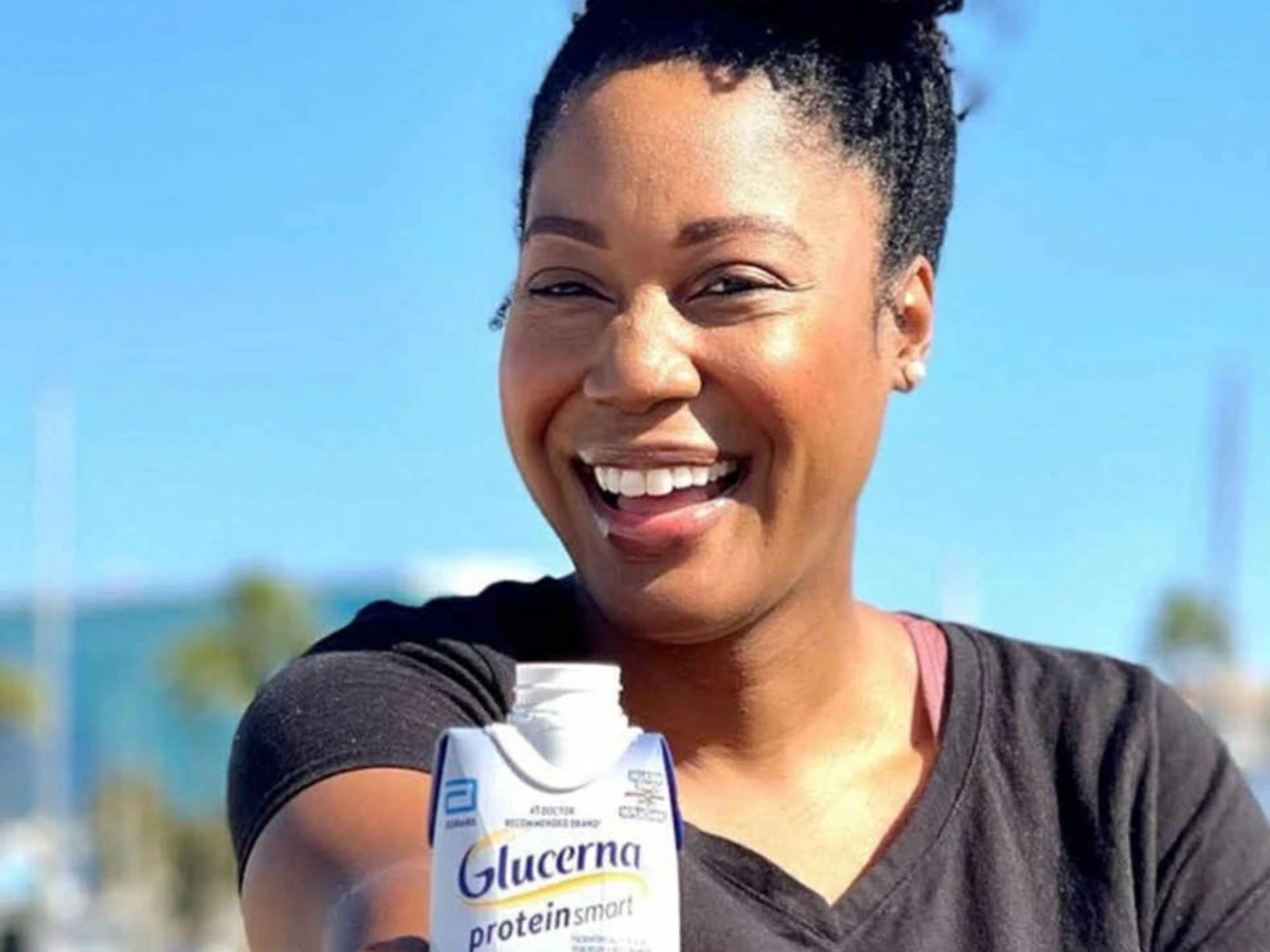
Glucerna’s social presence had drifted from people-led to product-led. What once felt empathetic and human had started to feel clinical, weakening the emotional connection with people living with diabetes. The opportunity was not just to promote benefits, but to rebuild belief. If we could shift from promotion to participation, we could strengthen community and prove that connection drives performance just as powerfully as claims.


My Role: Senior Social Strategist

The Tension

Healthcare brands are built on proof. Data, compliance, and performance pressure can quietly push creativity into safe territory. Glucerna needed to move quickly and show results, but polished product messaging was creating distance instead of trust. The real challenge was internal. Could we earn confidence in more human storytelling without losing rigor, accountability, or measurable impact?

The Move

We reframed creativity as infrastructure. Instead of debating opinions, we built a test-and-learn engine. Every idea had a hypothesis. Every post had a purpose. By speaking the language of data, creative ideas became easier to champion. Each experiment produced insight. Insight built understanding. Understanding built belief. Glucerna started to feel human again, and the numbers followed.

The Work

I joined Abbott as a Senior Social Strategist embedded within the internal agency, a distinct environment that sits at the intersection of corporate marketing, brand management, and agency execution. I came in with a clear mandate: Glucerna's social presence had drifted from people-led to product-led, and the emotional connection with people living with diabetes had weakened as a result.


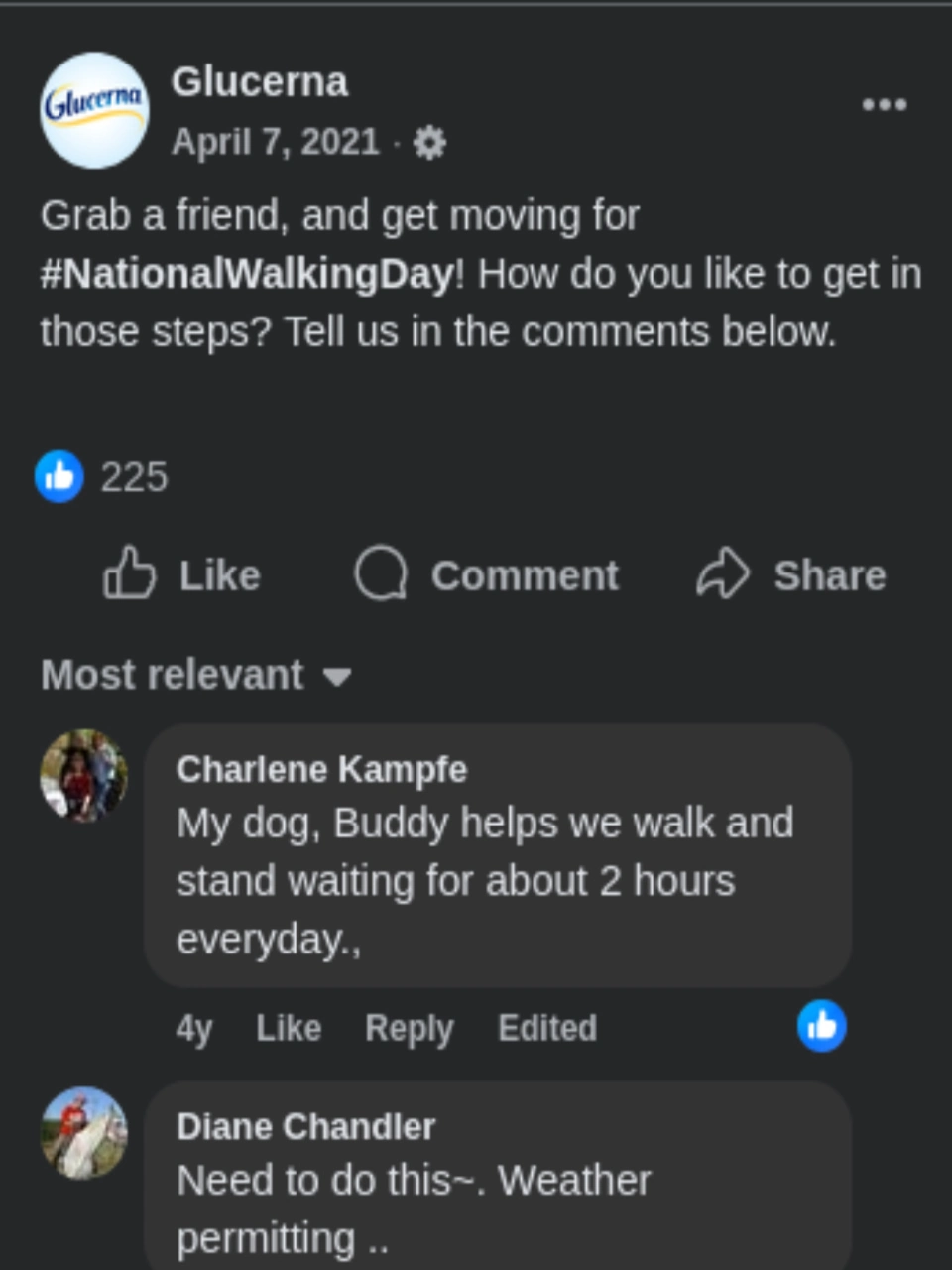
Being new to the role while challenging the existing content approach meant the work had to earn its place twice. First in the market, then internally. I designed a test-and-learn framework from the ground up: how it mapped to the editorial calendar, how posts were structured around learnable variables, and how results would be interpreted and actioned. What followed was a full quarter of content, 17 posts across three content types, built not to perform in isolation but to produce insight that compounded over time.


I had always wanted to build a culture of data optimization, and a budget-conscious environment like Abbott's is exactly where that instinct travels furthest. When creativity speaks the language of data, it stops being an opinion and starts being a direction.

By the Numbers

+362%
ER lift, real people vs product.
+231%
ER lift, real feedback vs product.
+52%
More comments on question posts.
0.78%
Top ER per post achieved.

Based on analysis of 17 posts across 3 content types. Normalized to follower base (44K).

What We Learned

Building a test-and-learn culture reshaped both the pace and the posture of the work. Each post became a live signal, not just a piece of content.


Clear hypotheses turned opinions into progress. When every idea has a defined variable and a measurable outcome, creative decisions move faster and land with more confidence. That momentum matters as much as any individual result. In-market learning consistently outperforms draft-stage debate, and the posts that underperformed were just as valuable as the ones that did. Every miss sharpened the next idea.


What the data couldn't do was make the final call. Metrics opened the door. Judgment decided where to go. The outcome wasn't just stronger content. It was a smarter system, a braver creative culture, and proof that human storytelling and rigorous measurement don't have to live in separate worlds.